Walter Rohrbach — Pheasants & Woodcock in Field, Oil on Canvas View Watchlist >
- Winning Bid: $335.00
- 50 Bid(s) View Bid History
- High Bidder: BeveyKay
Seller Accepts Credit Cards
Payment and pickup instructions will be available on your invoice (under "My Account") at the conclusion of this auction.
Lot # C483
System ID # 27131264
Start Date
End Date
2 Watching
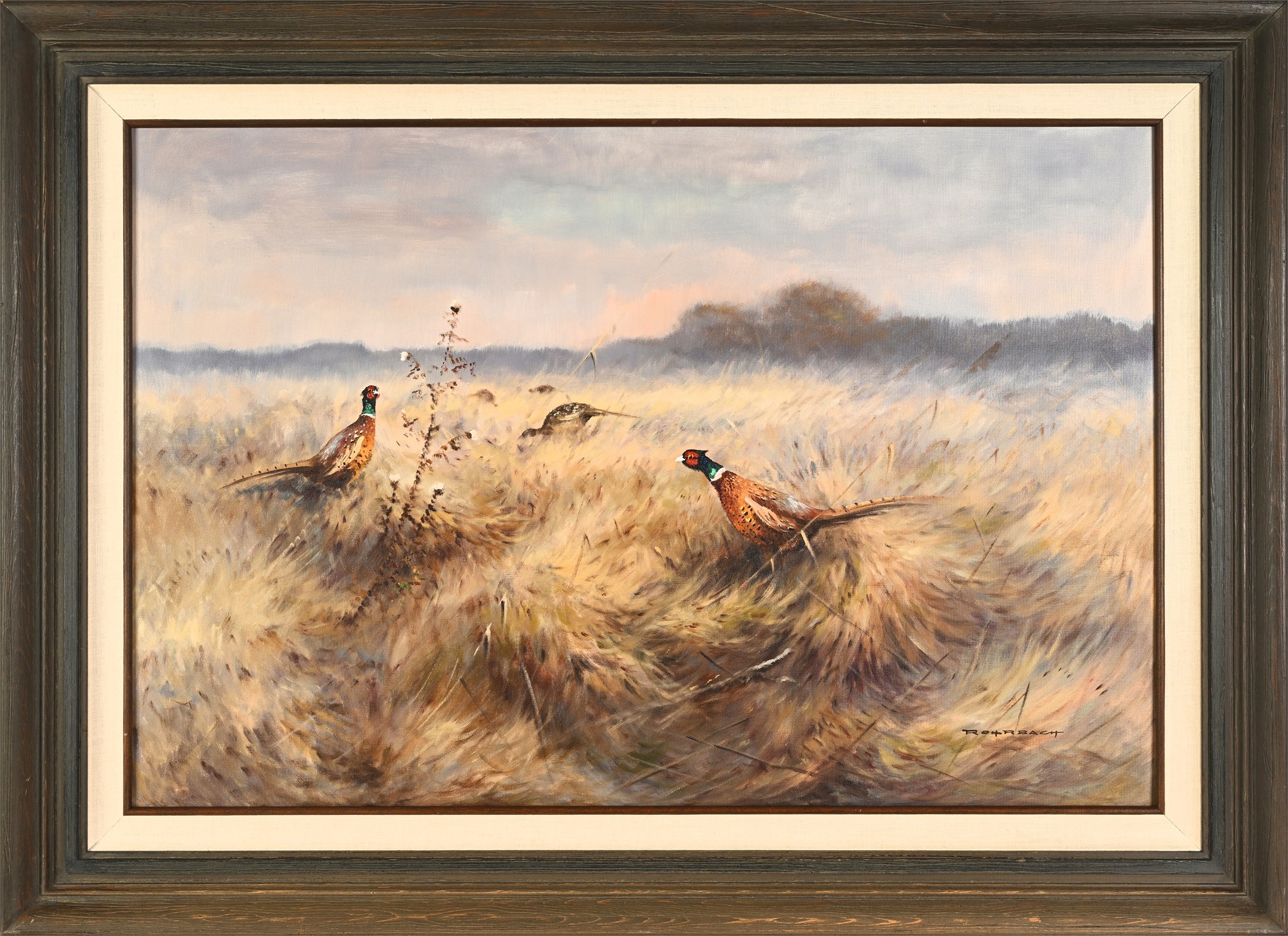
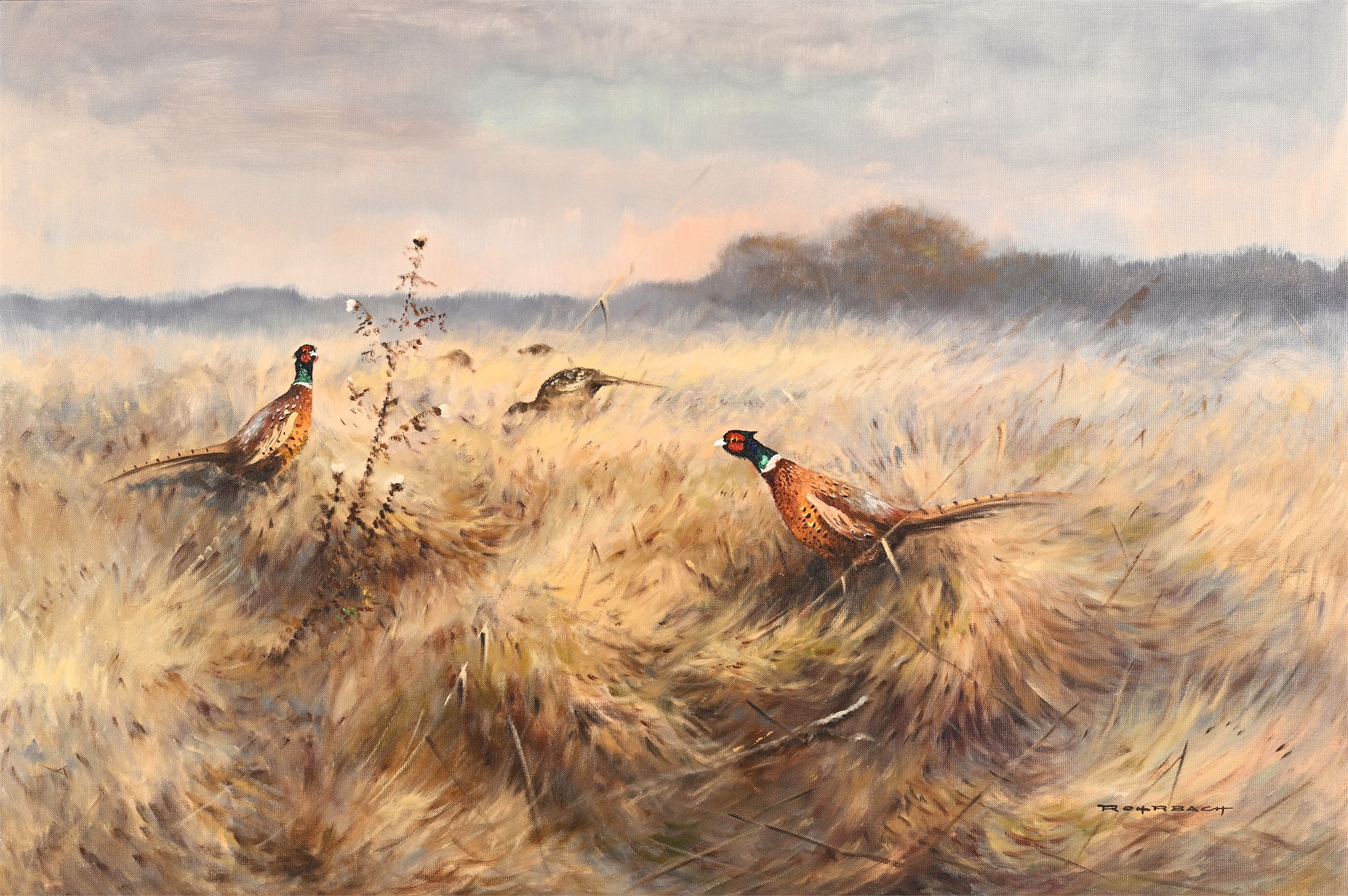
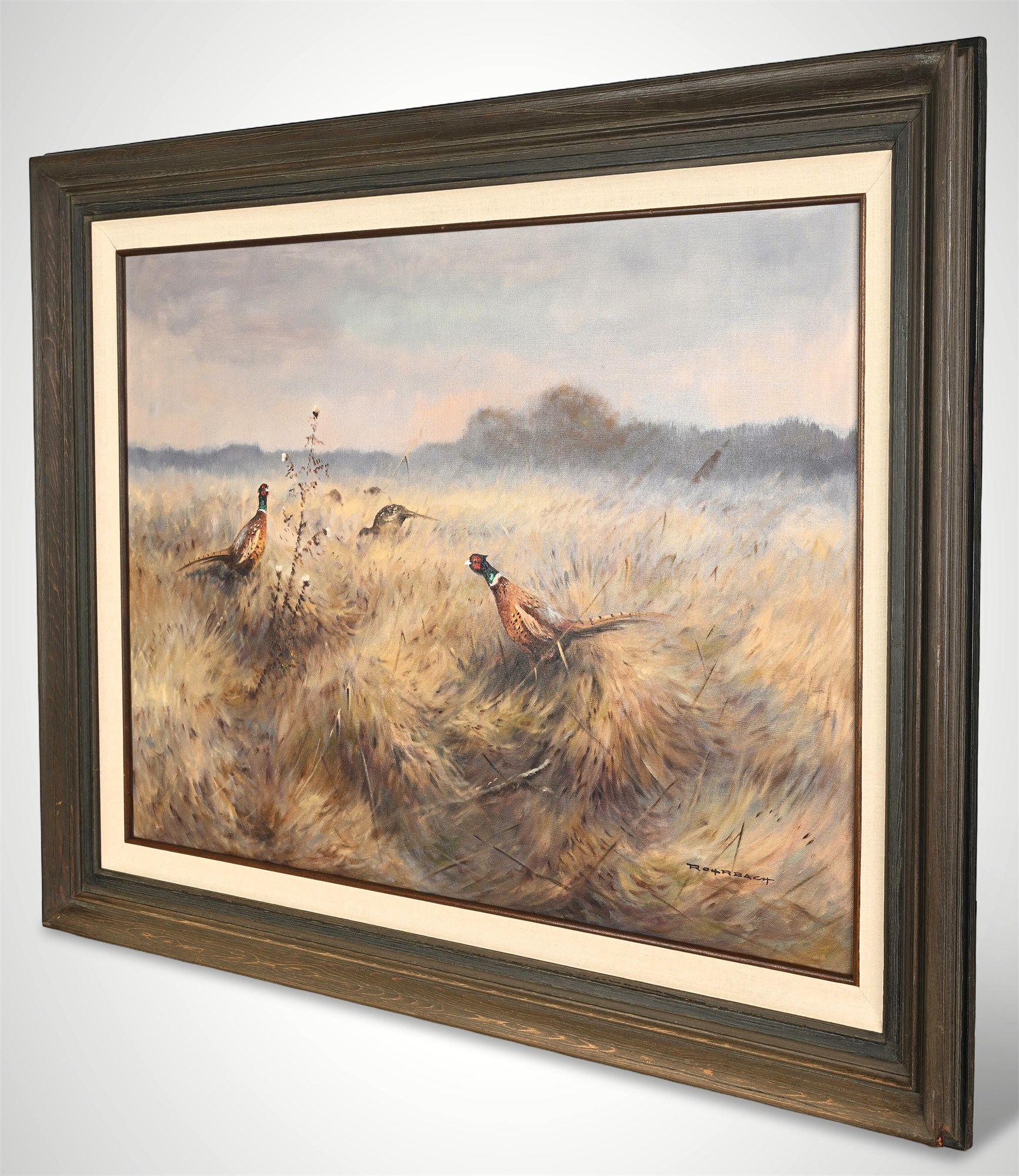
Walter Rohrbach — Pheasants & Woodcock in Field, Oil on Canvas
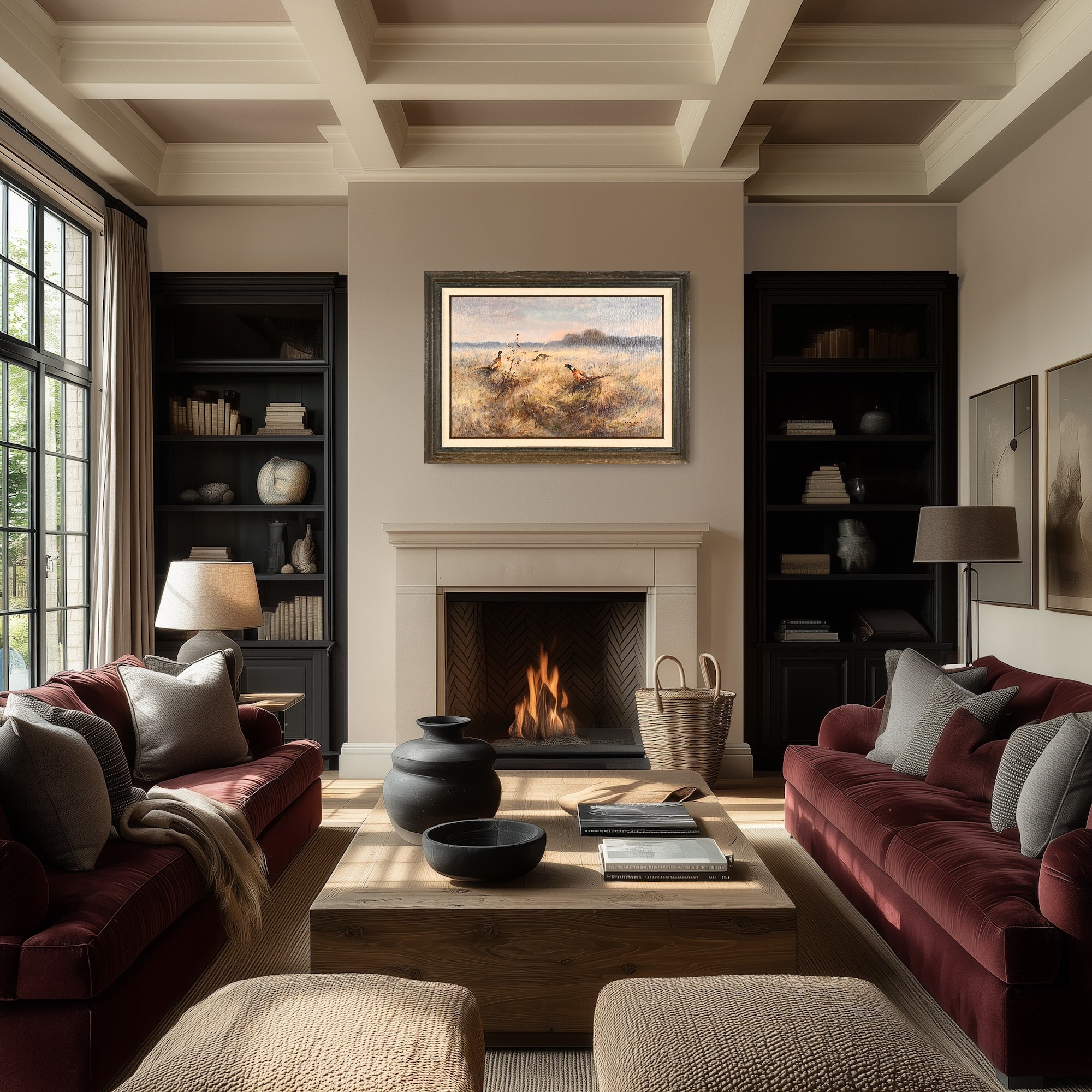
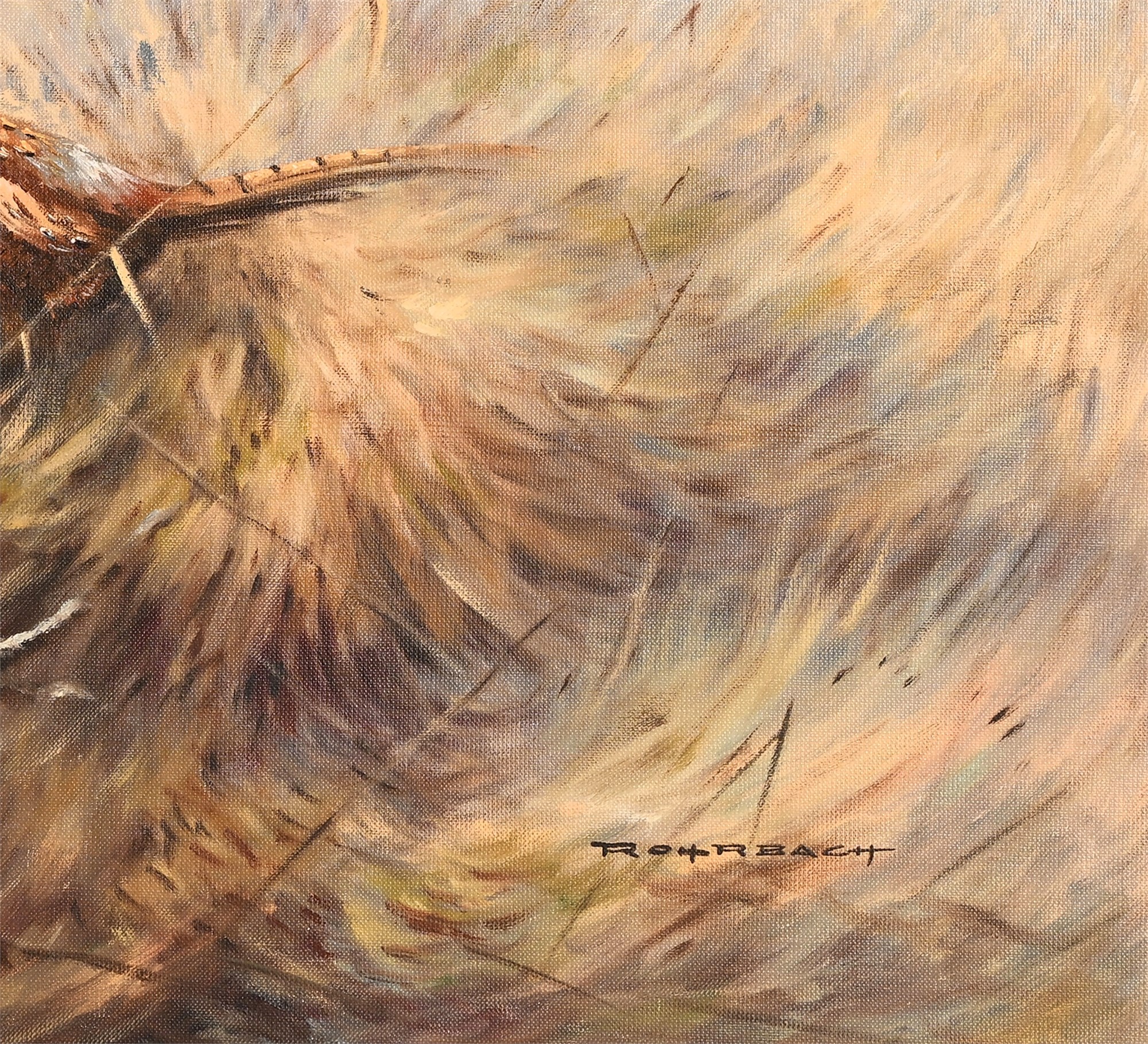
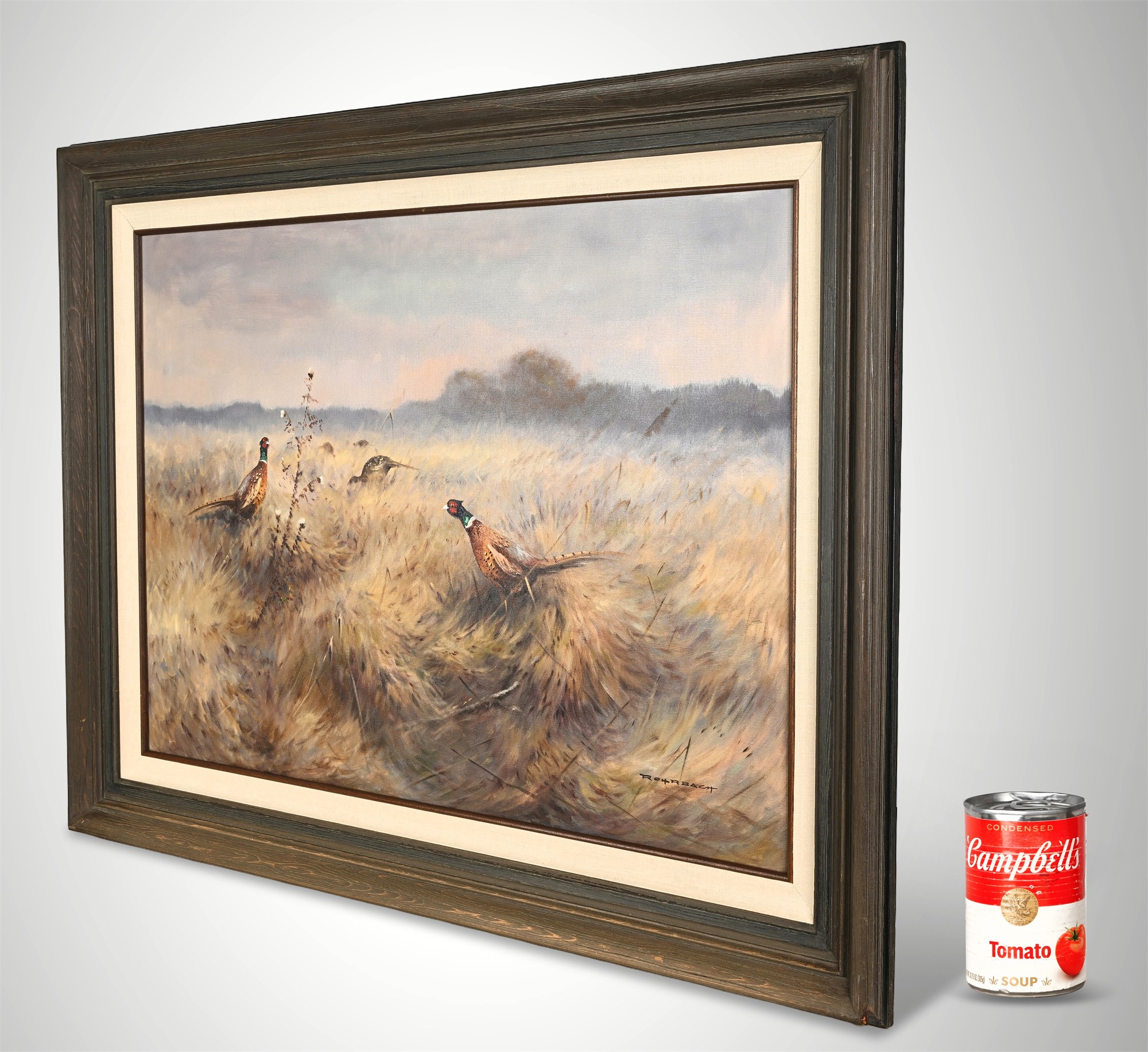
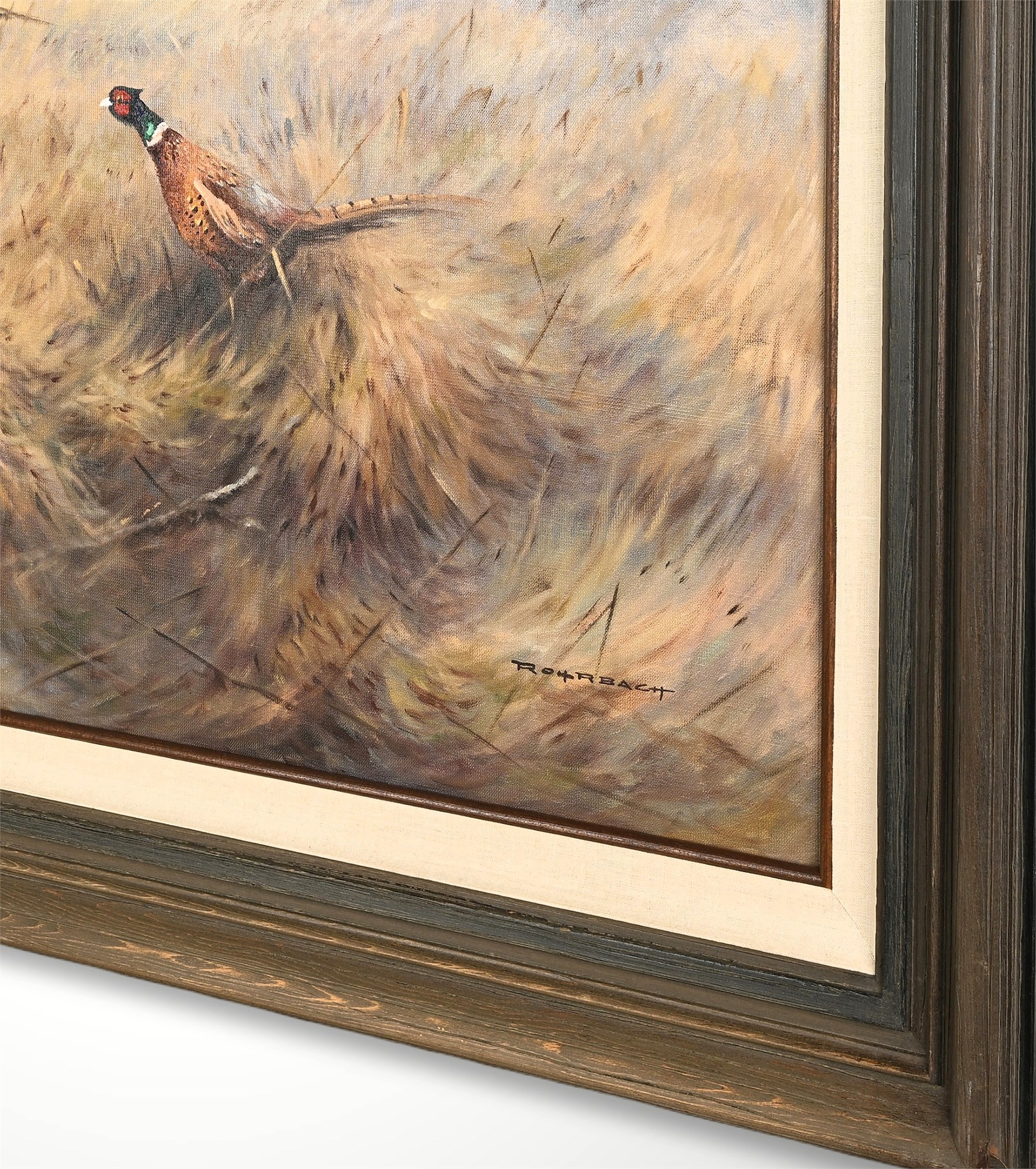
Oil on canvas by German animal and landscape painter Walter Rohrbach (1939–2021), depicting two ring-necked cock pheasants and a woodcock moving through windswept autumn grain under a soft dawn sky. The composition exemplifies Rohrbach's impressionist method: the grain field built up in sweeping directional strokes, the birds rendered with precise plumage detail against the loose, atmospheric ground. Signed lower right. The painting is presented in a substantial dark-stained wood frame with stepped molding and a cream linen liner strip.
Artwork Details
- Medium: Original oil on canvas
- Subject: Two ring-necked cock pheasants and woodcock in autumn grain field
- Signature: Signed lower right, "Rohrbach"
- Overall: 33" H × 44" W
- Visible (canvas): 24" H × 36" W
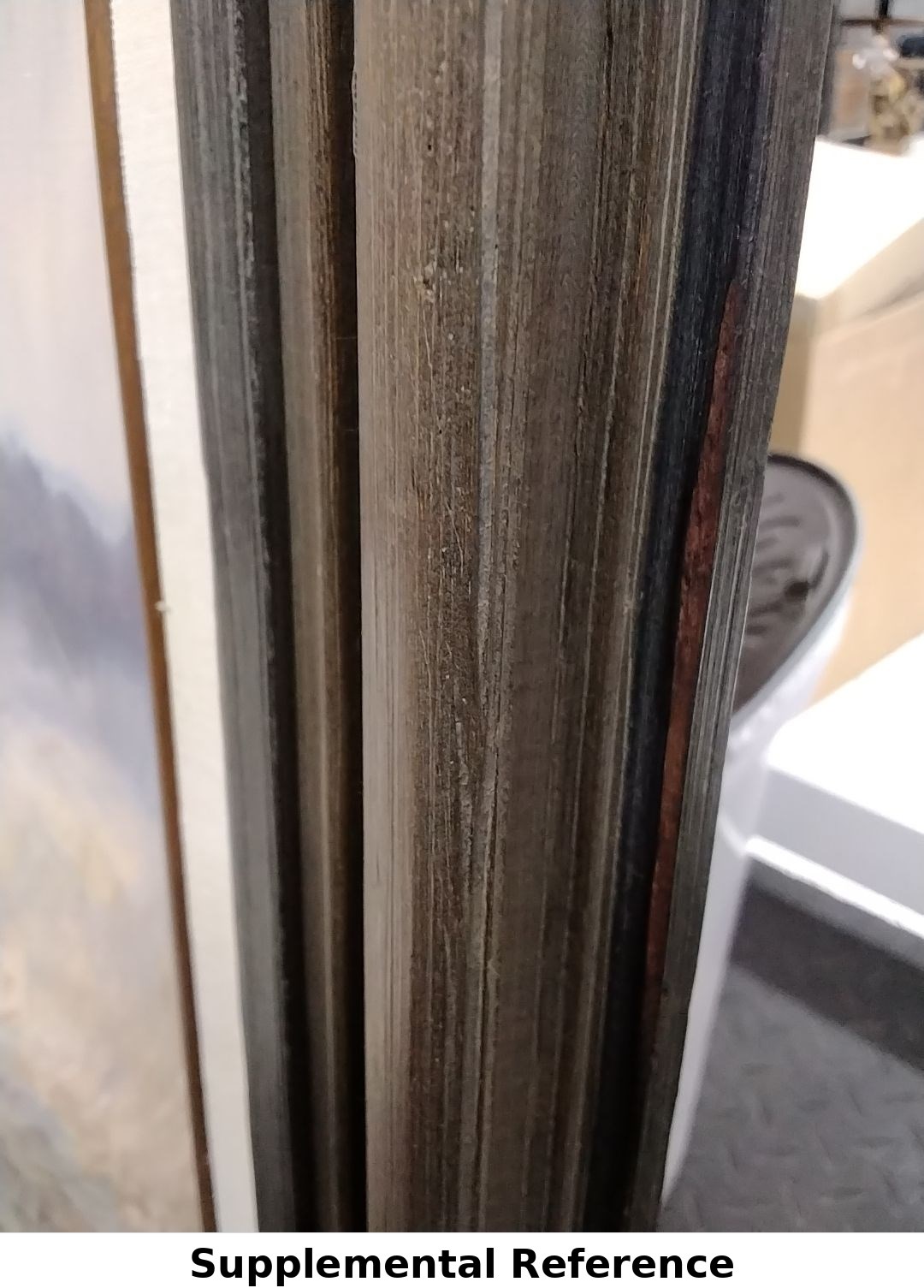
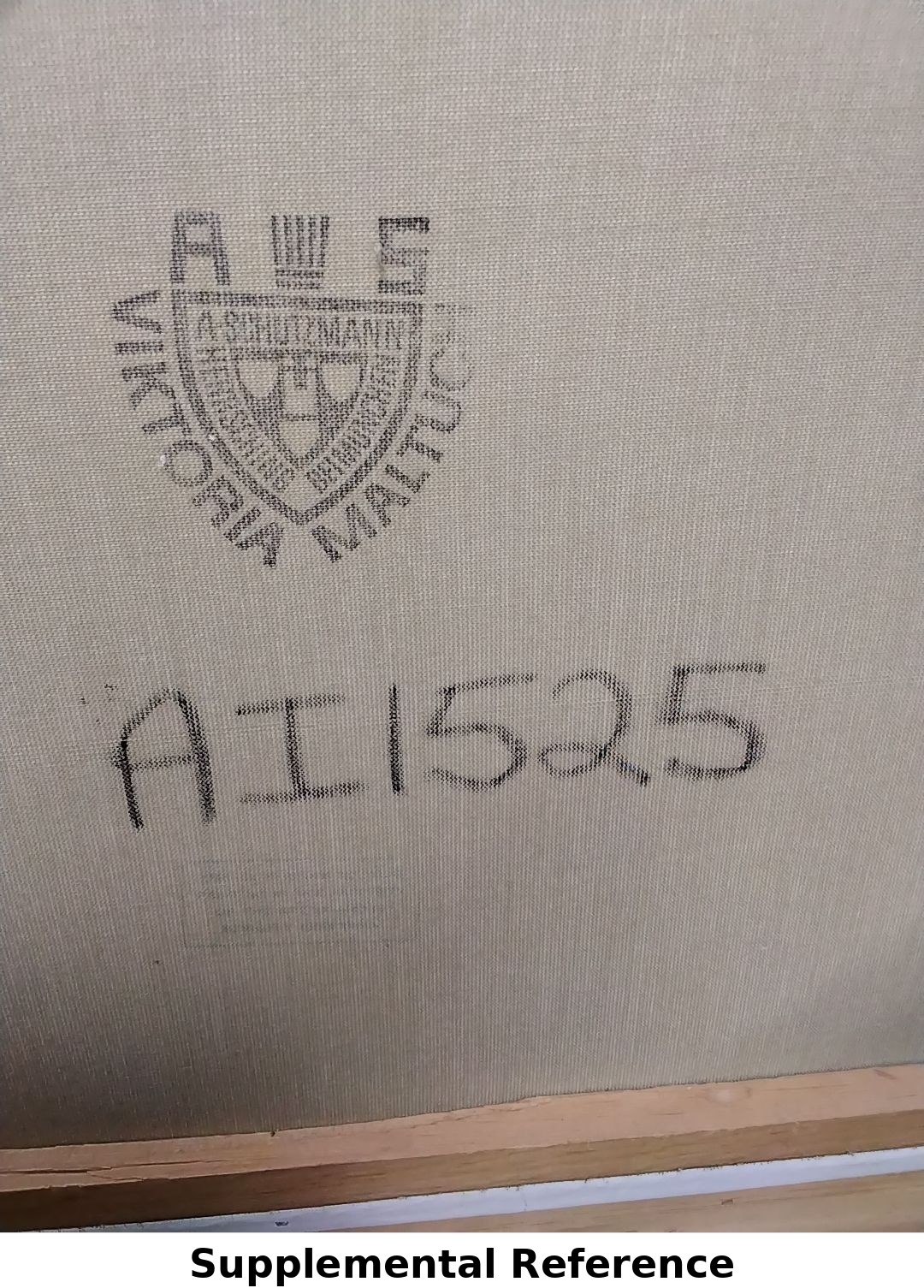
CONDITION Good. The canvas and paint layer are intact with no visible cracking, cleavage, or inpainting apparent to the naked eye. The frame shows minor chipping with visible touch-ups at points along the molding, as shown in images.
ABOUT THE ARTIST — Walter Rohrbach (1939–2021) Walter Rohrbach was born in 1939 in Rothenburg an der Fulda, in the Rhön highlands of central Germany — a landscape of volcanic plateaus, open moorland, and mist-hung fields that defined his subjects for the rest of his life. He came from a family with deep roots in the visual arts on his mother's side, where church painting was a hereditary trade, and taught himself to draw and paint from childhood.
At his parents' insistence he entered the civil service, a career he abandoned entirely in 1978 to paint full-time — a commitment he kept for the remaining forty-three years of his life. His formation came from travel and direct observation rather than academic training, with extended working trips to Italy, France, Norway, Sweden, and the Alpine countries.
At home, his primary working grounds were the Rhön, the Taunus, and the village of Kleinsassen — a historic painters' gathering place documented in Wollmann's study of the Kleinsassen artists' colony. His biography is recorded in Schmaling's Künstlerlexikon Hessen-Cassel 1777–2010. He exhibited in Hamburg, Munich, Frankfurt, Düsseldorf, Stuttgart, Kassel, and Nuremberg, among other cities.
His subjects encompassed impressionist landscape, snow scenes, still life, and — most distinctively — birds and wild animals in natural habitat: pheasants in autumn grain, ducks lifting from moorland water, fox in winter brush. He died in 2021 in Niederaula-Kerspenhausen, near Bad Hersfeld.